

Whoa! My curiosity kicked in the first time I needed to move tokens across chains without fiddling with multiple extensions. I was tired of fumbling between MetaMask and random chain connectors. Honestly, something felt off about the UX and the constant approval pop-ups. Over time that little discomfort turned into a full-blown hunt for a better browser wallet.
Really? The search felt endless at first. I tried a few wallets that promised multi-chain support and speed. Most of them were clunky or felt untrustworthy. My instinct said trust but verify, so I dug into permissions, open-source status, and community chatter. Eventually Rabby kept showing up in conversations among experienced DeFi users I respect.
Here’s the thing. I wasn’t looking for a marketing pitch. I wanted practical features: clearer approval flows, bulk-revoke options, and a sane token import process. Rabby hit those checkboxes for me. Initially I thought it would just be another clone with a prettier UI, but then I actually used it and noticed the little details—transaction grouping, allowance management, and a design that avoids flashy, anxiety-inducing modals. On one hand it’s simple; on the other, it’s surprisingly powerful when you need it.
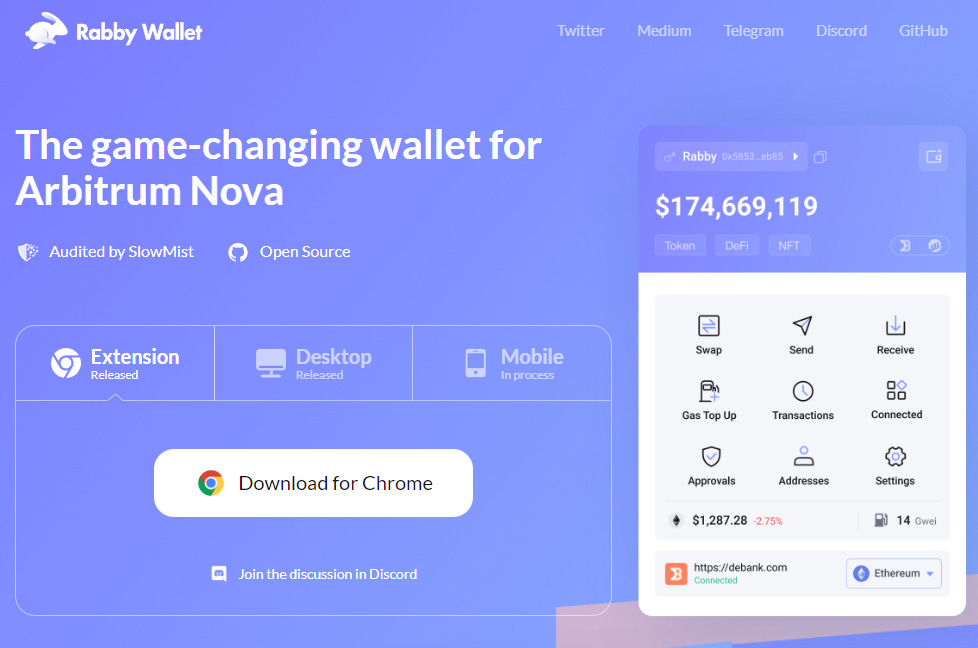
How I did the rabby wallet download and first impressions
Whoa! I clicked the link from a trusted thread and then checked the installer source. My process was methodical because wallets are the keys to your digital house. First I verified the extension’s repository and release notes, then compared the permissions it asked for against what felt reasonable. After that small audit, I downloaded via the official page to avoid spoofed stores. If you want the same starting point I used, try rabby wallet download as the single reference I followed for a clean installer.
Hmm… the installation was quick. The onboarding flow asked for the usual seed phrase backup, but their wording nudged me to use an offline backup. That part mattered to me—I’m biased toward hardware backups and cold storage. I set up a watch-only account first, then imported a seed for active testing. The UI reduced nervousness; small things like clearer gas fee sliders and explicit contract call descriptions make a big difference when you’re moving funds.
Seriously? The multi-chain aspect felt natural. Switching between Ethereum, BSC, and Polygon didn’t require additional wallet installs. Transactions showed chain-specific details and the wallet grouped approvals so I could manage allowances across multiple dapps without opening a dozen approval dialogs. On the flip side, some integrations still rely on the dapp’s own UX, so the wallet can only do so much. Still, that allowance-revoke feature saved me from leaving lingering permissions that bug me.
Whoa! Security got real attention in my testing. Rabby includes transaction simulation and a clear warning system for risky interactions, which I used when bridging assets. I stress-tested it with small amounts first, looked for any weird JSON-RPC calls, and monitored for unsolicited approvals. Initially I thought those warnings were just noise, but after seeing one flag a suspicious contract, I appreciated them—seriously saved me from somethin’ sketchy. The approach is pragmatic: not overbearing but protective.
Here’s the thing. No wallet is perfect. Rabby still depends on the underlying chains and the dapps you connect to. On one hand, the extension’s permission model is strict; though actually a rogue dapp can still try clever social-engineering tactics, so user education matters. I found myself wanting better inline help for less technical friends. I recommended it to a colleague and had to walk them through a couple of safety checks (oh, and by the way—always verify URLs and signatures).
Whoa! For power users, the advanced settings are a win. You can fine-tune RPC endpoints, manage multiple accounts, and view transaction histories per chain in a cleaner layout than many alternatives. My instinct said that these features were aimed at folks who trade and bridge often, and that proved true. Initially I thought some menus were too deep, but after a week they became my go-to for quick audits. Still, casual users might find the options a little dense at first.
Hmm… usability has trade-offs. The design reduces accidental confirmations, which is a relief. Yet it adds an extra click or two when you’re in a hurry. On the other hand, I’d rather a cautious click than a mistaken signature. I’m not 100% sure Rabby will replace every single wallet for everyone, but for multi-chain users who care about granular controls, it’s a strong choice. I found my workflow sped up despite the cautious prompts.
Practical tips from someone who actually used it
Whoa! Backup your seed phrase right away. Seriously. Use a hardware wallet for large balances and keep test amounts for new dapps. Review allowance requests before approving, and use the bulk-revoke option periodically. When connecting to a bridge or AMM, check the transaction simulation and compare the quoted gas to what you expect. And yes, keep somethin’ like a checklist handy—trust but verify, always.
Here’s a little checklist I used. Short tests first. Verify contract addresses. Check the gas and calldata. Revoke unused allowances. Use hardware for big moves. Repeat.
FAQ
Is Rabby compatible with Ledger and other hardware wallets?
Whoa! Yes, Rabby supports Ledger for signing, which I tested by moving small test tokens before larger transfers. Integration felt stable and the extra security is worth the slight setup friction.
Can I manage multiple chains without extra extensions?
Really? Yes. Rabby is designed as a multi-chain wallet, so you don’t need separate extensions per chain. It centralizes approvals and balances while keeping chain details explicit.
Is the wallet open-source and auditable?
Here’s the thing. The extension’s codebase is public so you can inspect releases, and the community often highlights important changes. That transparency doesn’t replace audits, but it helps the ecosystem catch issues faster.